G-SEED green building certification
Bringing the steps and information of a certification process into a coherent workflow.

Background
G-SEED is Korea's national green building certification scheme, in the same family as LEED or BREEAM. A building is assessed on its environmental performance and given a grade. Getting there means an applicant requests a quotation and files documents, a certifying body receives them, reviews them and inspects the site, a committee decides, and a certificate and a physical plaque are issued at the end. Each of those steps is handled by a different party on a different screen, so the applicant — the one person who cares about the whole case — is usually the one who cannot see it. This prototype puts the entire sequence into a single progress flow. This internal prototype was developed at my employer, the Korea Institute of Green Climate Technology, without live certification, payment or delivery connections. Its placement as the certifying body on screen is a fictional setting for the demonstration.
- Role
- Project Manager / Service Designer
- Team
- Worked with frontend and backend engineers
- Organisation
- Korea Institute of Green Climate Technology
- Timeline
- April–July 2026 · 4 months
- Tools
- Figma · AI-Figma MCP · Browser prototype on local storage
Outcomes
- Eight progress stages with three roles working against one shared data store
- An unbroken chain of state transitions from quotation through to certificate issuance
The problem
In certification work, the owner of the information changes at every step. The applicant writes the application. The certifying body issues the acknowledgement of receipt. The evaluation result is settled by a committee. Each party can see its own part on its own screen, and the work does get done — but nowhere is there a view that follows one case from beginning to end.
For the applicant this is the frustrating part. After filing, nothing on screen says what is being waited on or what they should do next. For the certifying body it means that assembling the history of a single case requires checking several places.
How I approached it
I connected the applicant and agency views around a single certification case. Defining who supplies and checks each piece of information kept the application and its progress connected as responsibility changed hands.
I defined the information required at each stage and when it should become available. Showing both the sequence and its entry conditions helped an applicant read the current situation and understand what they were waiting for.
Returning to correct documents and cancelling an application were part of the overall flow. Connecting these changes to status and history made the forward and returning paths available for review on the same basis.
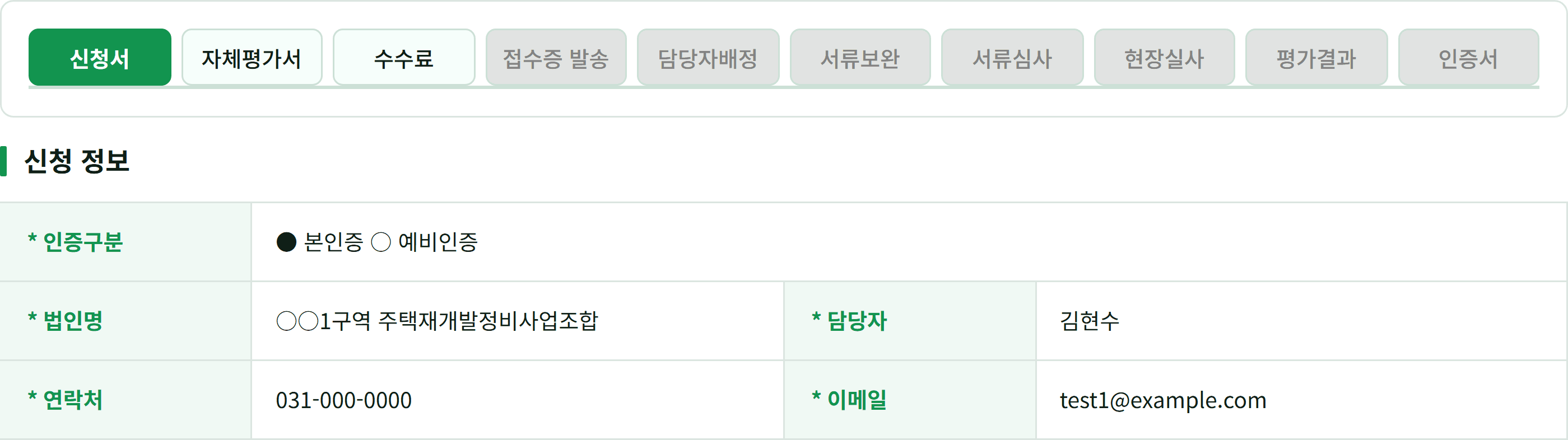
Certification runs through eight stages. Each stage opens only once the previous stage's data exists, and the document-correction stage sends the flow back to self-assessment.
- 01Application
- 02ReceiptOpens only when data exists
- 03Self-assessment
- 04Fee
- 05Document correction
- 06Site inspection
- 07Evaluation result
- 08Certificate issuance

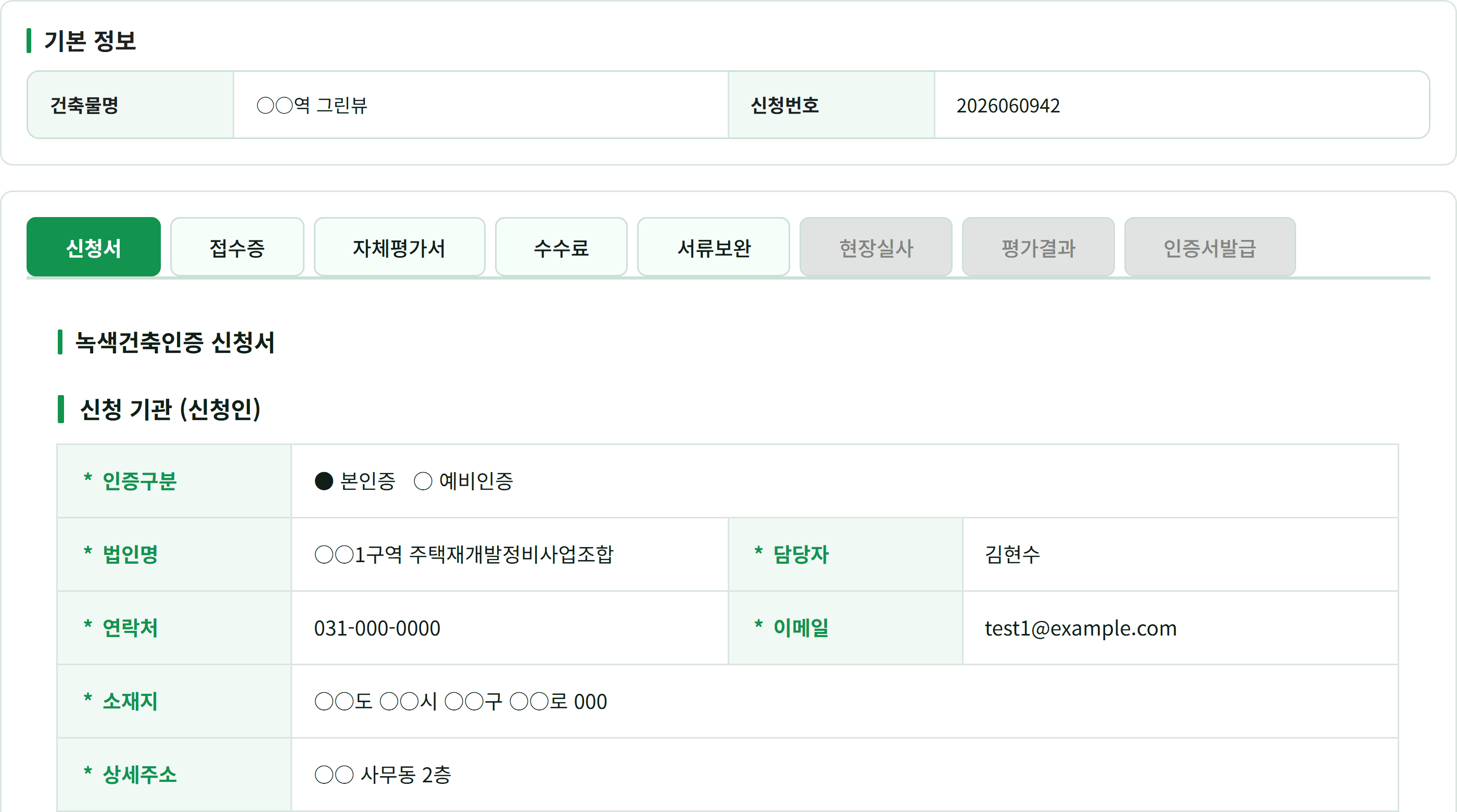
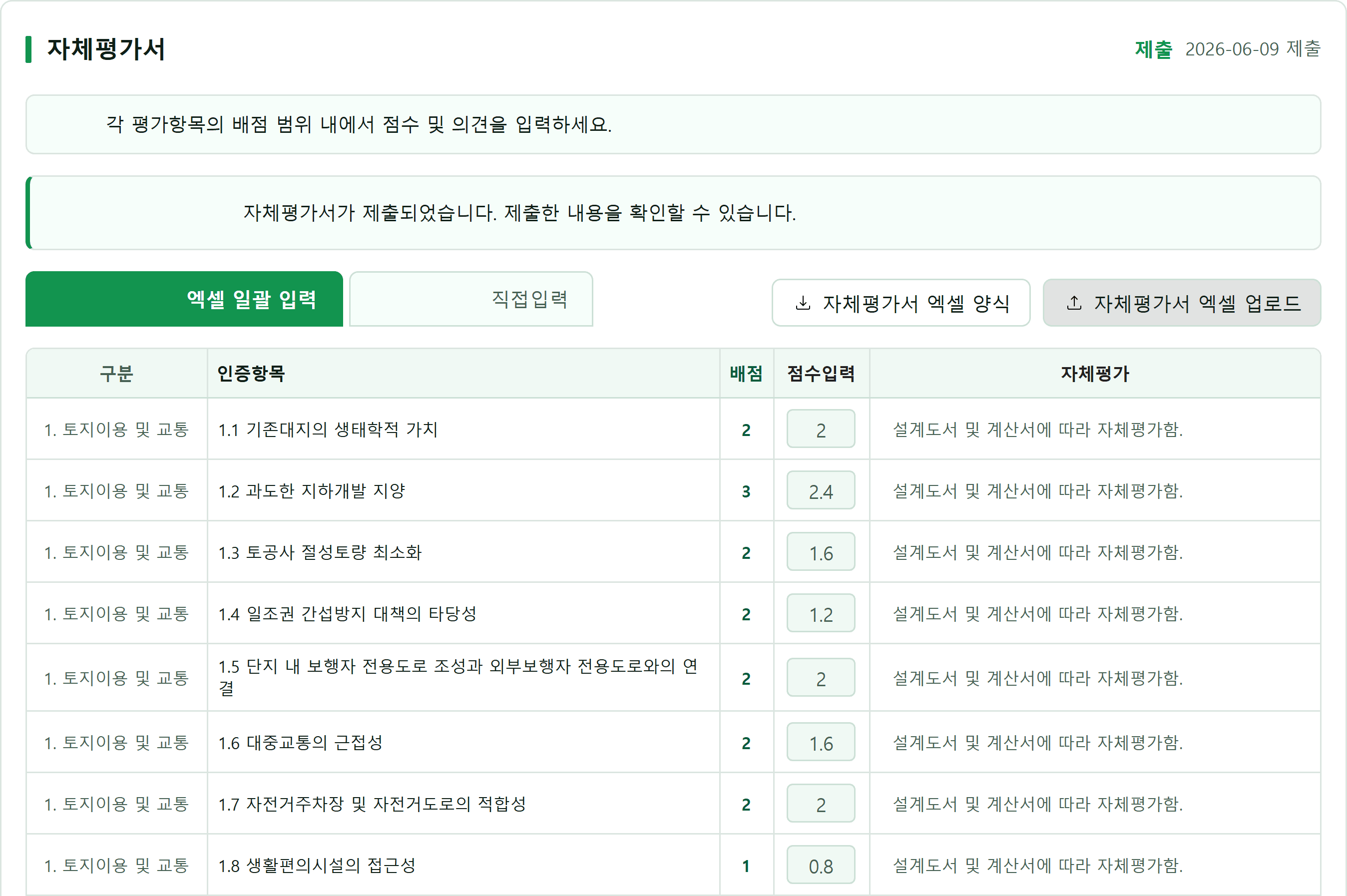
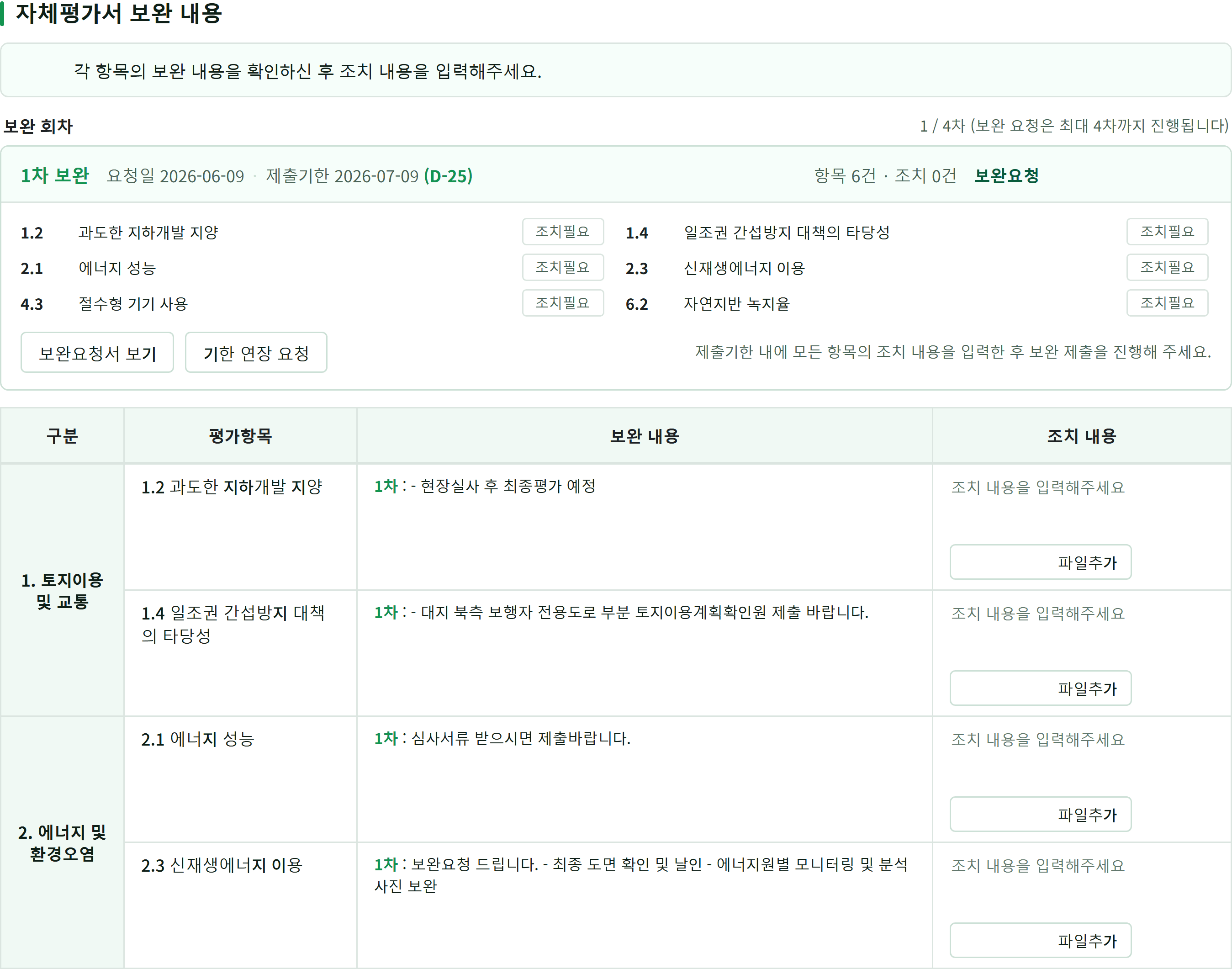
Every stage after the quotation opens on data that a different party leaves behind. The screens below follow that data forward: the applicant's own assessment, the certifying body's request for corrections, the committee's result, and the certificate that closes the case.
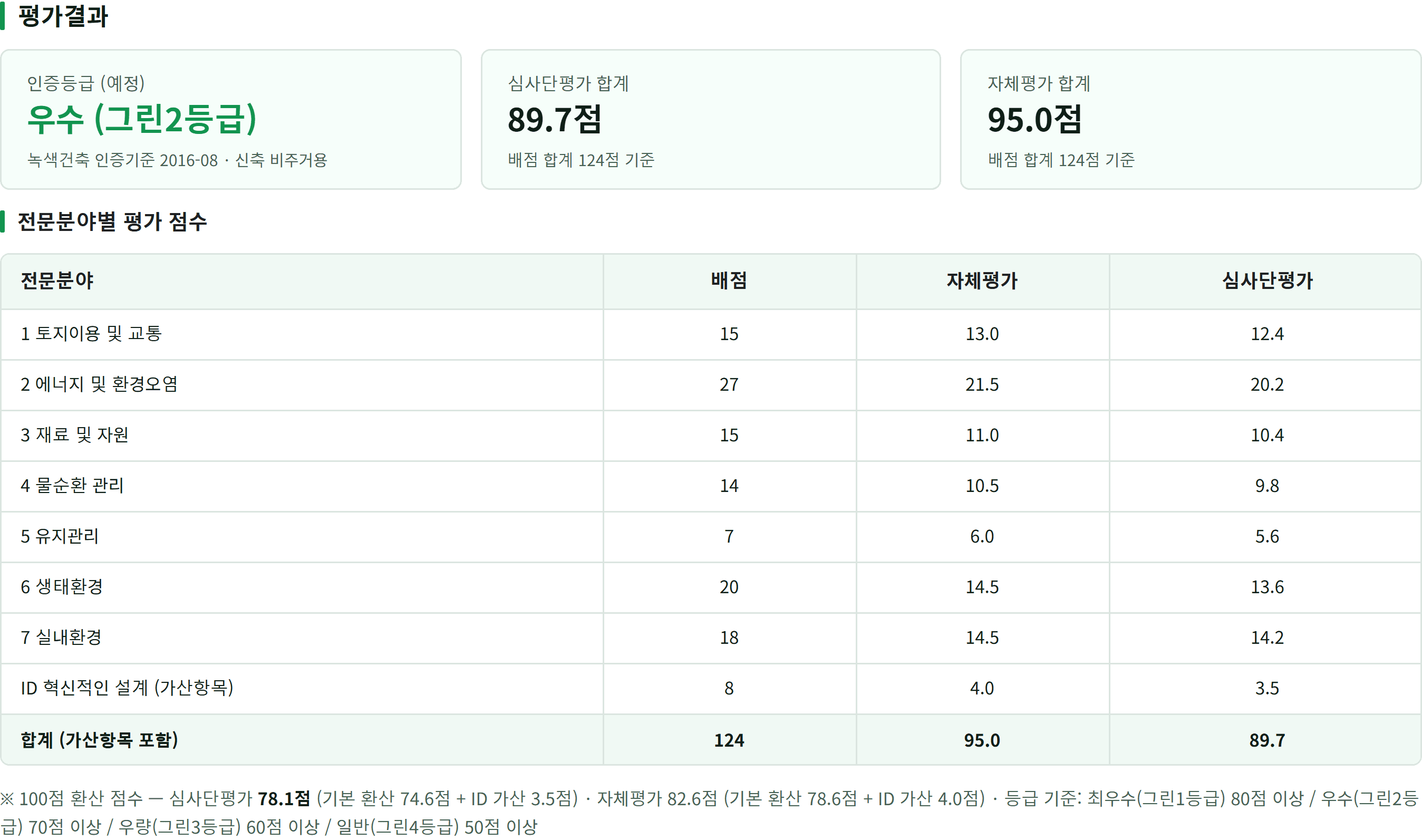
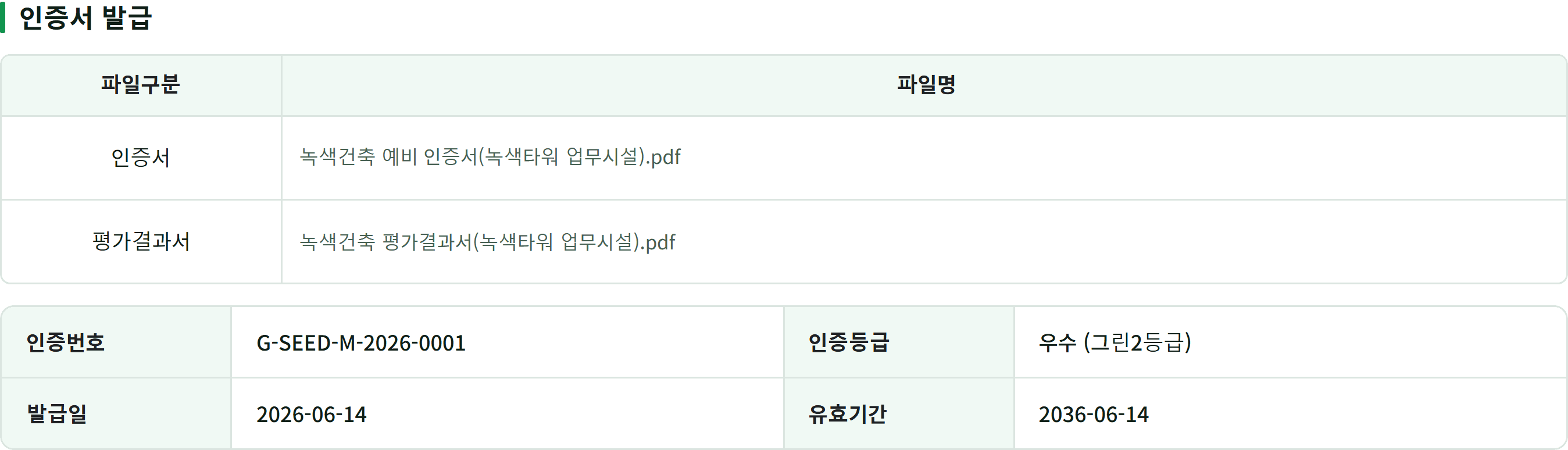
The outcome
Where a case stands, and what it is waiting on next, now reads off a single screen. The conversation moved up a level, from whether an individual screen is right to whether a state transition is right.
Connecting role-specific screens into one certification flow
Process
Connect roles around one application
I connected the applicant and agency views around a single certification case. Defining who supplies and checks each piece of information kept the application and its progress connected as responsibility changed hands.
Make the conditions for the next action visible
I defined the information required at each stage and when it should become available. Showing both the sequence and its entry conditions helped an applicant read the current situation and understand what they were waiting for.
Include correction and cancellation in the journey
Returning to correct documents and cancelling an application were part of the overall flow. Connecting these changes to status and history made the forward and returning paths available for review on the same basis.
Result
One shared case now shows its current stage and what it is waiting for. Review moved from the appearance of individual screens to whether information and state transitions remain correct across roles.
What I took from this work
Designing the certification experience meant making the connections between stages as clear as the individual screens. Showing where an application stood and whose action it needed next made the whole journey available for review. The prototype became a way to examine responsibilities and sequence alongside page composition.
G-SEED and emissions target management: a shared design approach
The two programs keep their own procedures. Both designs make the sequence visible, define what allows work to move forward, and attach decisions and records to the case they belong to.
G-SEED green building certification
- Sequence of work
- Application
- Receipt
- Self-assessment
- Fee
- Document correction
- Site inspection
- Evaluation result
- Certificate issuance
- Conditions for moving forward
- Each stage becomes available when its data exists. Document correction returns to self-assessment so the review can continue.
- Records that remain
- Stage information, attachment metadata and correction records stay with the application, alongside its certification progress.
Emissions target management
- Sequence of work
- Selection and distribution
- Completion and submission
- Receipt, review and correction
- Confirmation
- Agency sharing
- Response and change management
- Conditions for moving forward
- Receipt, correction and confirmation follow one shared procedure. Only confirmed surveys can enter a file shared with the agency.
- Records that remain
- Decisions and evidence stay with each survey, with separate records of generating, delivering and acknowledging the shared file.